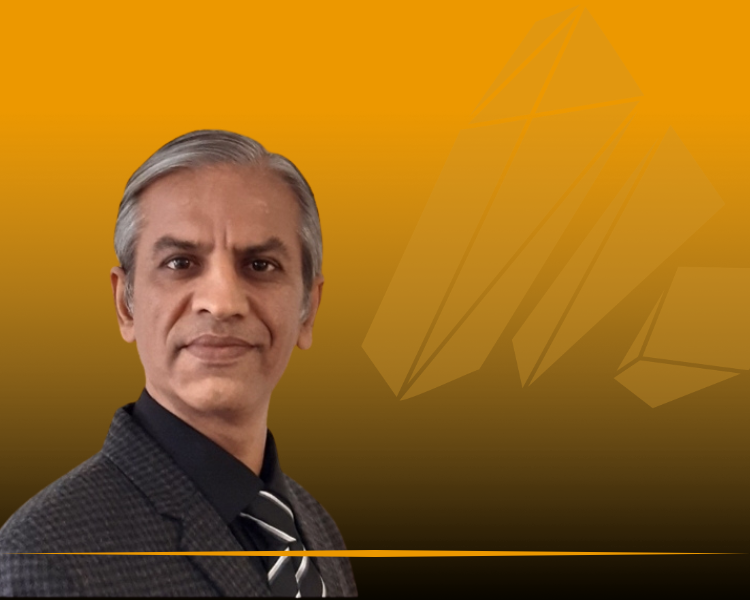
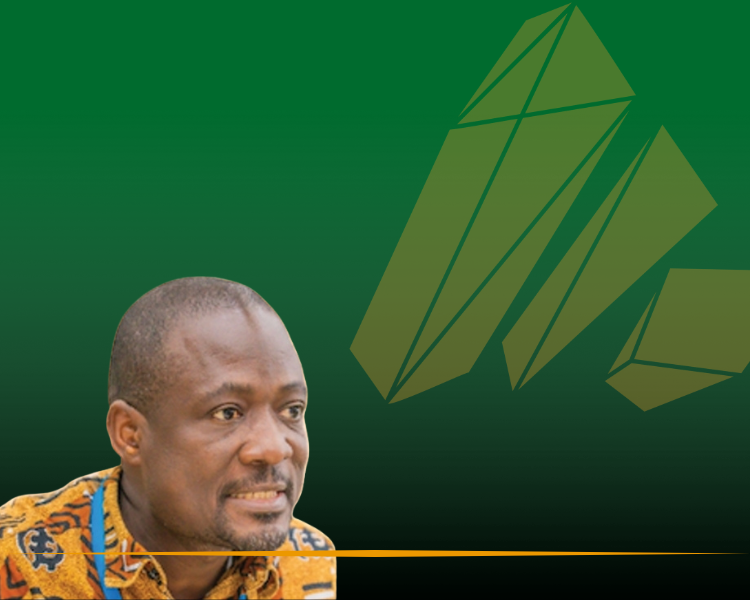
As the global transition to clean energy accelerates, Africa’s role in supplying the critical minerals that power electric vehicles, renewable energy systems, and battery technologies has never been more significant. Yet, according to Dr. Clement Sefa-Nyarko, the continent’s greatest challenge extends beyond meeting rising global demand. Instead, it lies in ensuring that the governance of these mineral supply chains is anchored in justice, sustainability, and long-term value creation.
Delivering the keynote address at the Africa Critical Minerals & Energy Transition Dialogue 2026, hosted by the Africa Centre for Critical Minerals & Energy Transition (ACCET), Dr. Sefa-Nyarko argued that discussions around critical minerals have traditionally focused on geopolitics, trade security, and resource availability, while overlooking the social and governance challenges that ultimately determine whether supply chains remain resilient.
Drawing on his research on critical minerals governance and energy transitions, he stressed that vulnerabilities within global supply chains are not created solely by geopolitical tensions or export restrictions. They also emerge when local communities bear the environmental and social costs of extraction without sharing in its benefits.
“Some of the most serious risks to critical mineral supply chains lie not in geopolitics alone, but in unresolved questions of justice, governance, and social legitimacy along the extraction frontiers.”
According to Dr. Sefa-Nyarko, this broader understanding of “social risk” is becoming increasingly important. Communities that experience environmental degradation, inadequate compensation, or exclusion from decision-making processes are more likely to resist mining activities, creating disruptions that directly affect mineral production and global supply chains.
“Social justice is not just a moral requirement; it is a strategic imperative for the security of the global energy transition.”
His remarks challenged policymakers and investors to rethink Environmental, Social and Governance (ESG) principles beyond compliance exercises designed to satisfy investors. Instead, he argued that ESG should become a framework for creating genuine value for host communities while ensuring that mineral extraction contributes meaningfully to national development.
Dr. Sefa-Nyarko also called for a fundamental shift in Africa’s approach to critical minerals. Rather than viewing the continent primarily as a supplier of raw materials, he urged African governments to leverage their mineral wealth to build domestic industries, create employment opportunities, and strengthen their negotiating position within global supply chains.
“We need to move from a mindset of resource extraction, where we simply dig things up and ship them away, to strategic positioning.”
Such a transition, he argued, would enable African countries to capture greater value from their natural resources while supporting a just energy transition that benefits both producing communities and future generations.
The keynote also highlighted the role of institutions such as ACCET in helping reshape governance around Africa’s critical minerals. Dr. Sefa-Nyarko noted that achieving resilient supply chains will require stronger African institutions capable of supporting governments with evidence-based research, policy development, and strategic negotiation.
“We need to empower African governments to negotiate from a position of strength, ensuring that global supply chains are resilient because they are built on a foundation of equity and local support.”
His address resonated strongly with the Dialogue’s broader theme, “From Resource Extraction to Strategic Positioning: Africa in the Global Energy Transition,” reinforcing the growing consensus that Africa’s mineral wealth should serve not only global decarbonisation efforts but also the continent’s own industrialisation and sustainable development ambitions.
As governments, investors, and development partners continue to shape the future of critical mineral governance, Dr. Sefa-Nyarko’s message offered a timely reminder that the success of the global energy transition will depend as much on inclusive governance and community trust as it does on geology and technology. For Africa, the opportunity lies not simply in supplying the minerals of the future but in helping define the rules that govern how those minerals are produced, traded, and transformed into lasting development.